Jean Paul Sapiano
010203040506070809
Echoveil
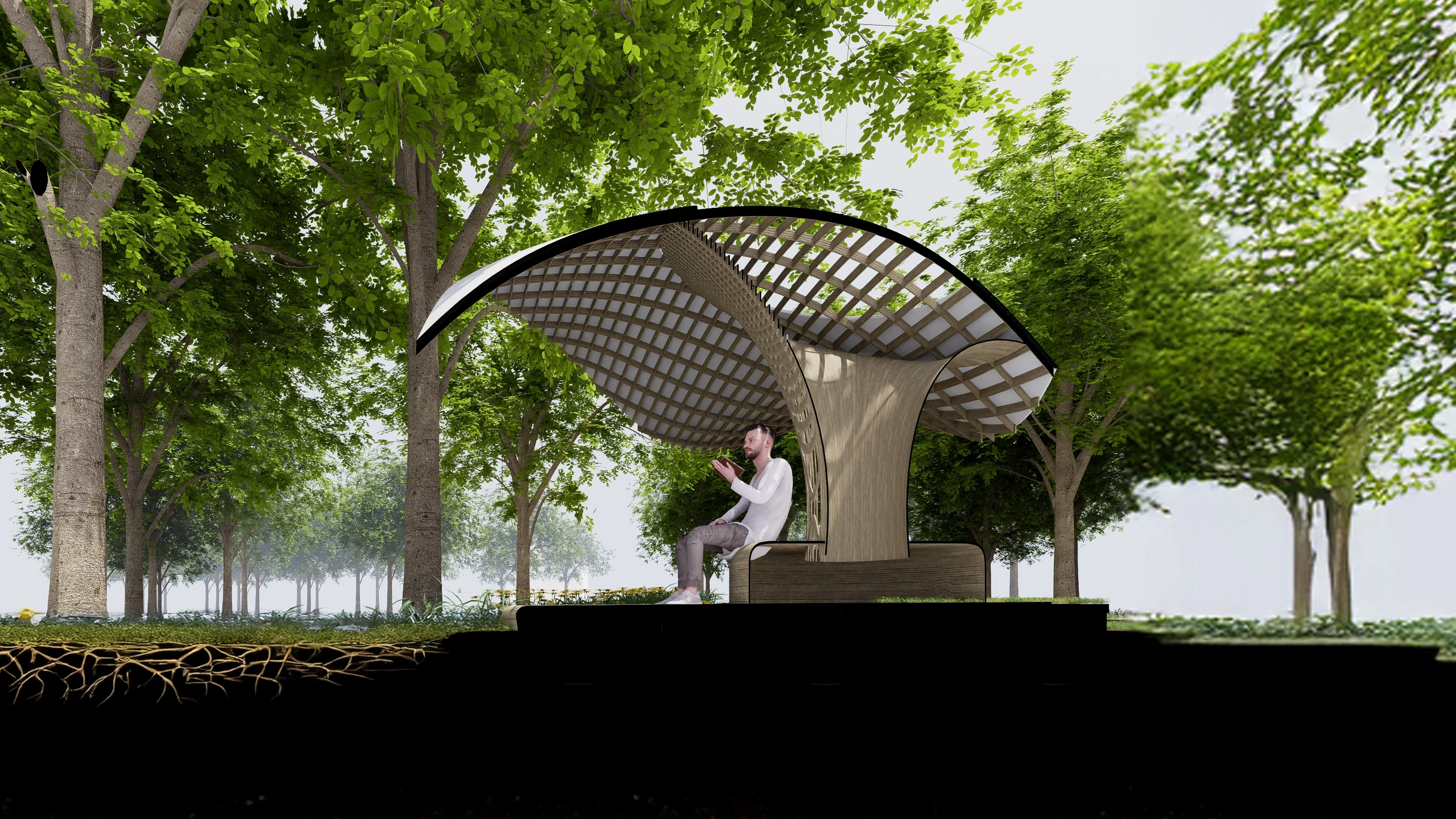
Pavilion in the landscape. The curved waffle canopy gathers shade, occupation and rainfall around one timber support.

Pavilion in the landscape

The curved waffle canopy gathers shade, occupation and rainfall around one timber support.
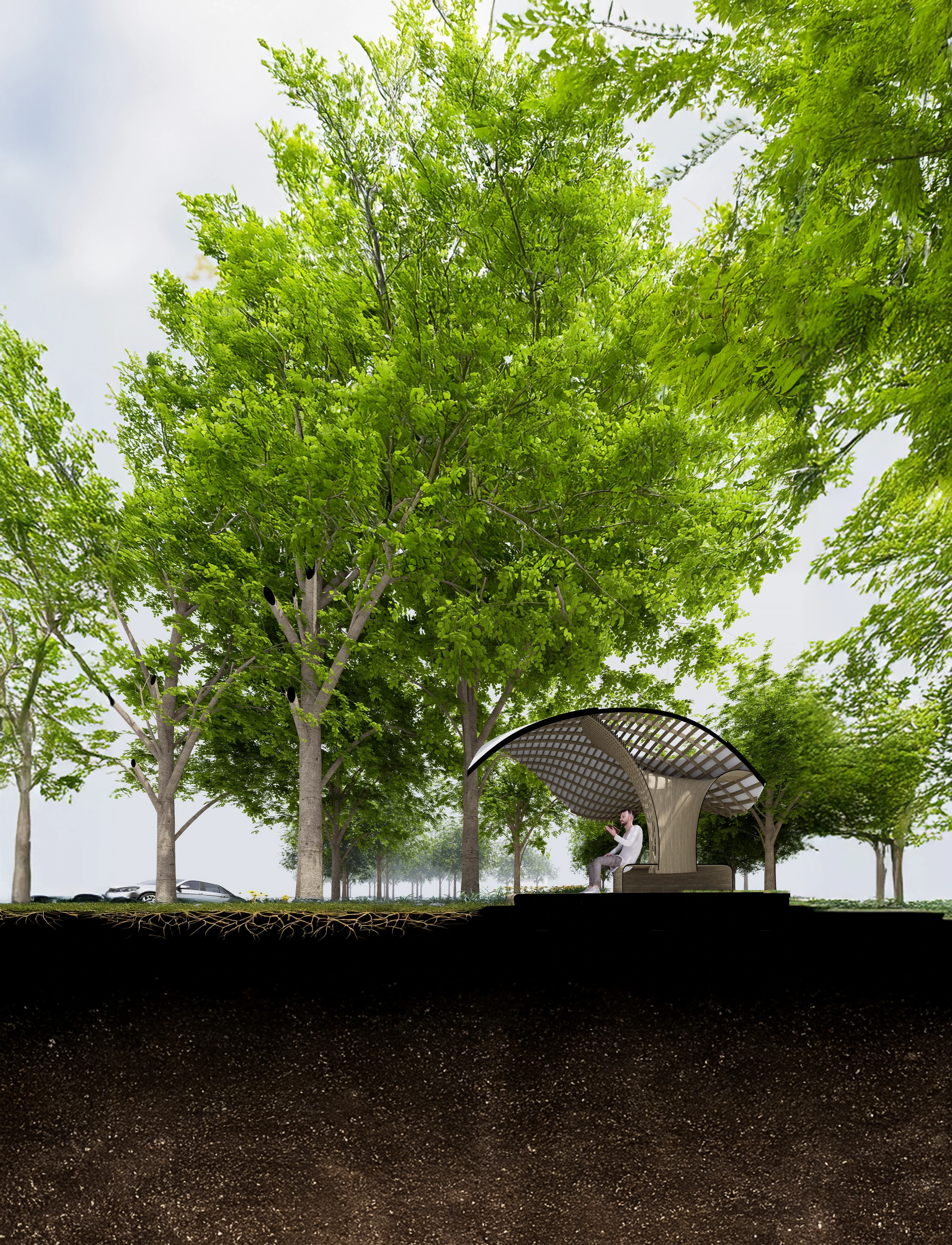
Environmental section. Ground, canopy and water are read together as one vertical ecological system.

Environmental section

Ground, canopy and water are read together as one vertical ecological system.
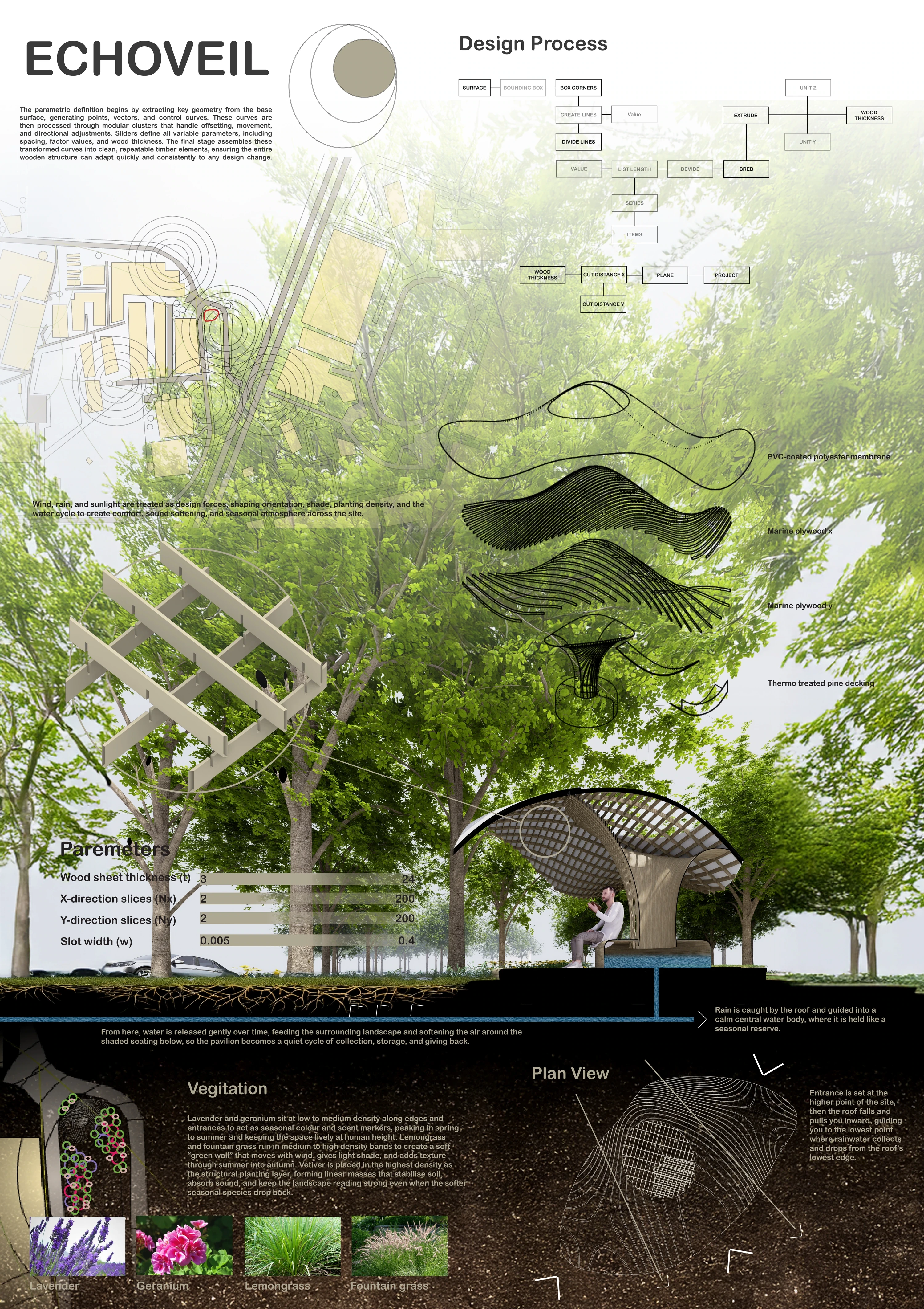
Complete synthesis. The final board holds site, code, structure, planting and experience in one field.

Complete synthesis

The final board holds site, code, structure, planting and experience in one field.
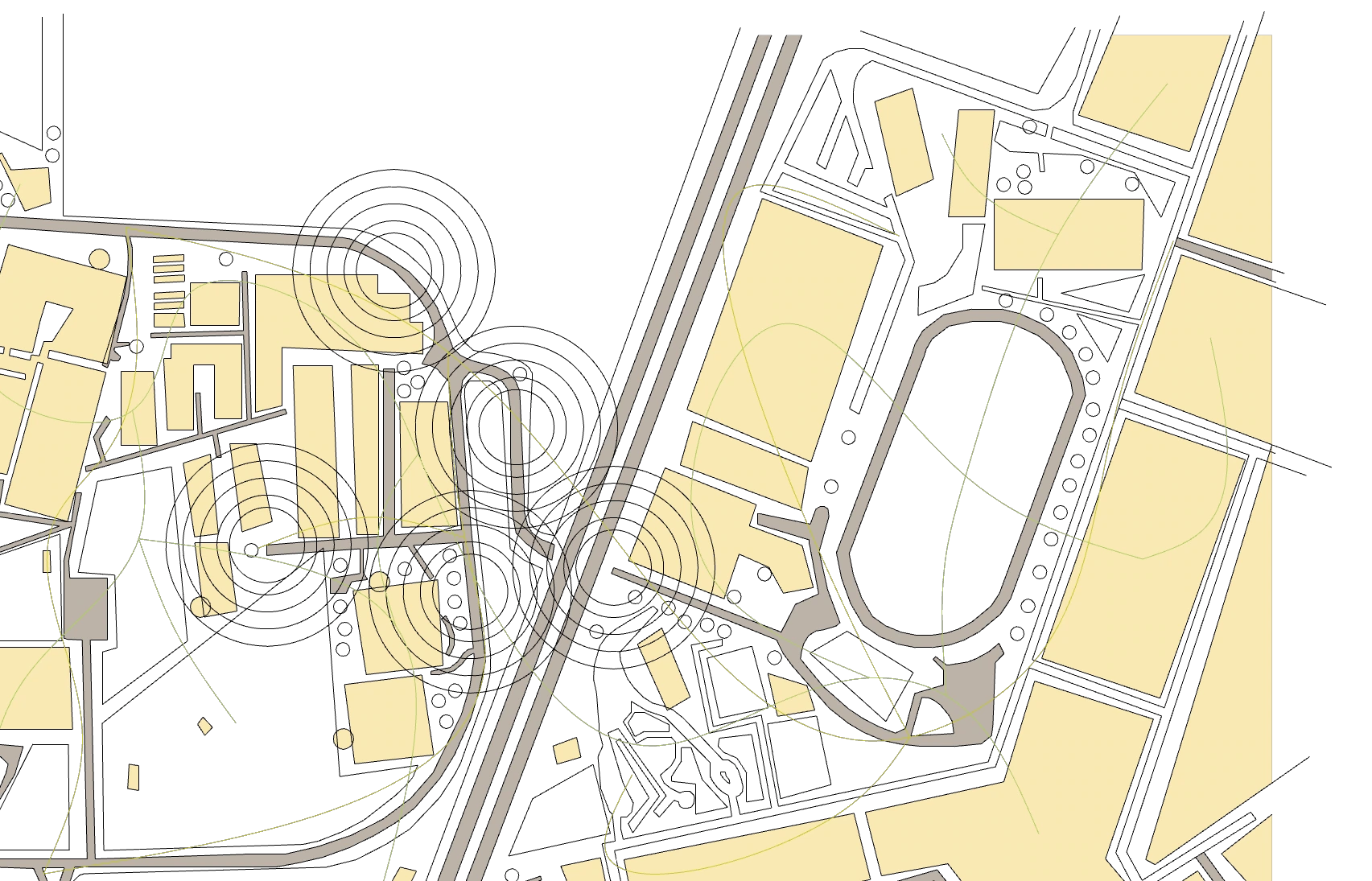
Site as an environmental field. Movement, vegetation, water and sound are mapped before the pavilion takes form.

Site as an environmental field

Movement, vegetation, water and sound are mapped before the pavilion takes form.
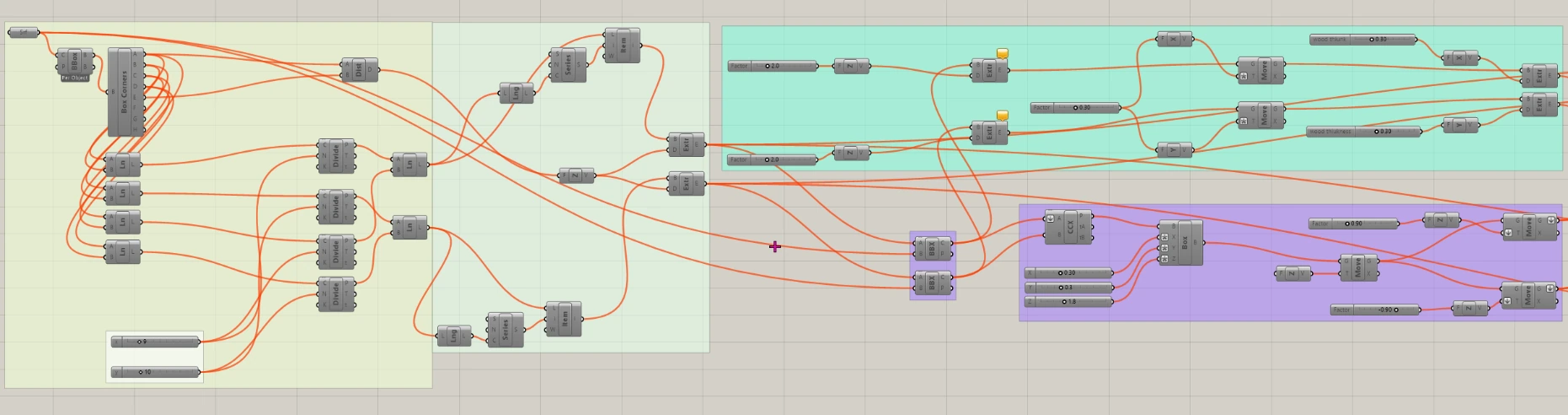
Parametric definition. The Grasshopper system keeps every geometric decision connected and adjustable.

Parametric definition

The Grasshopper system keeps every geometric decision connected and adjustable.
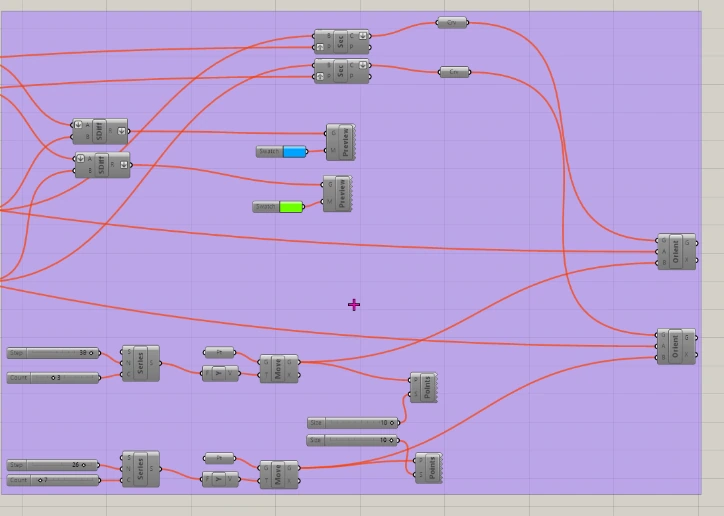
Rule clusters. Smaller groups control movement, offset, rib spacing and the response to changing inputs.

Rule clusters

Smaller groups control movement, offset, rib spacing and the response to changing inputs.
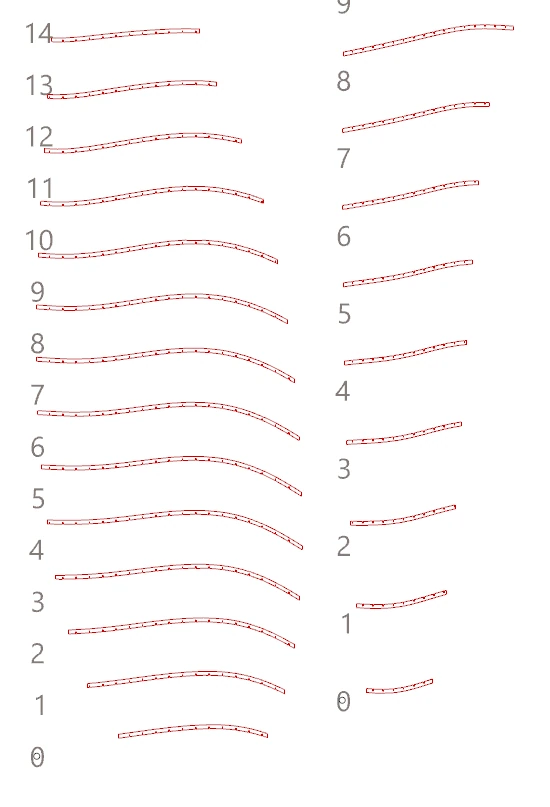
CNC slice families. Curved ribs are numbered and nested as fabrication-ready pieces in two directions.

CNC slice families

Curved ribs are numbered and nested as fabrication-ready pieces in two directions.
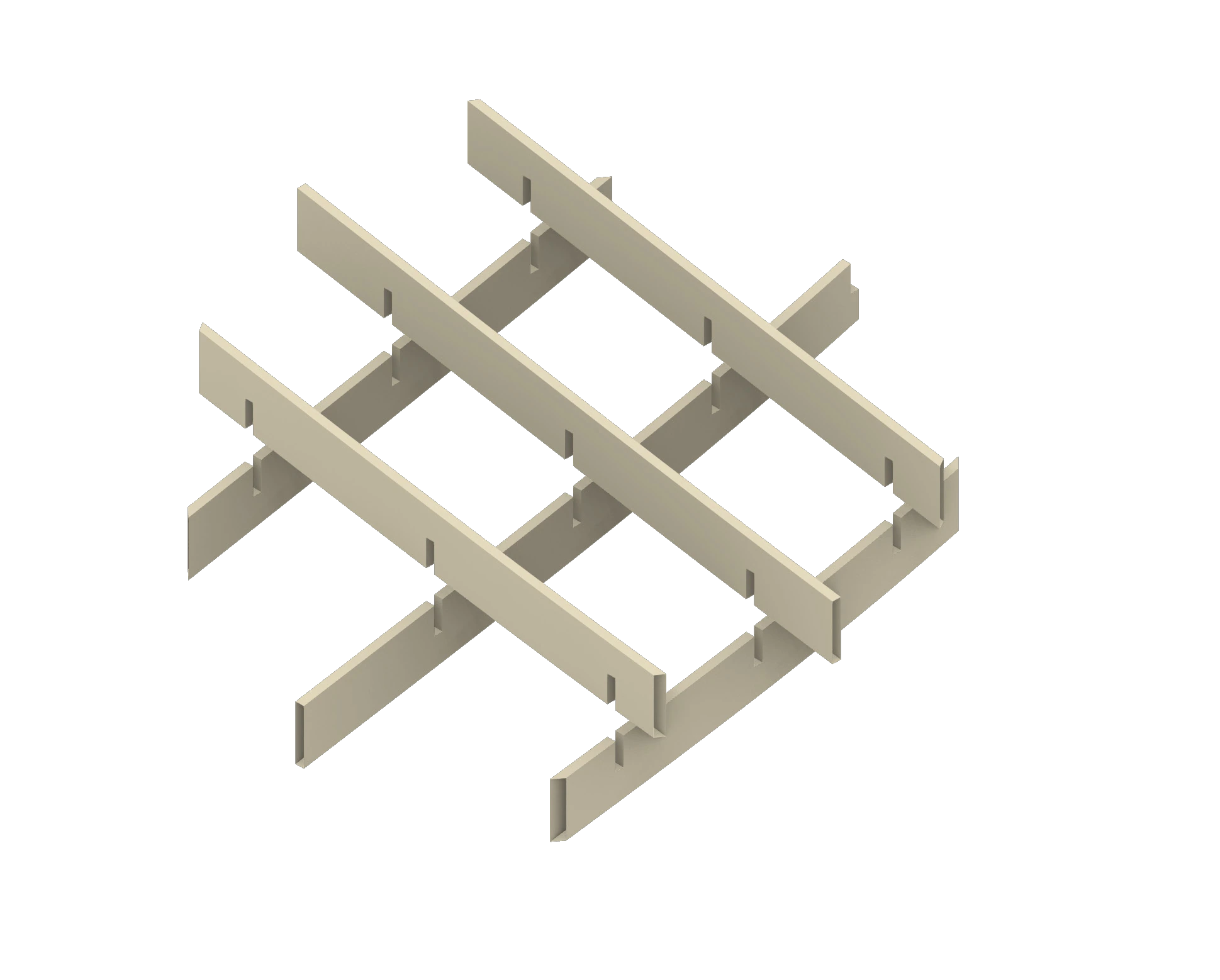
Waffle assembly. Two intersecting rib families lock into a continuous timber surface.
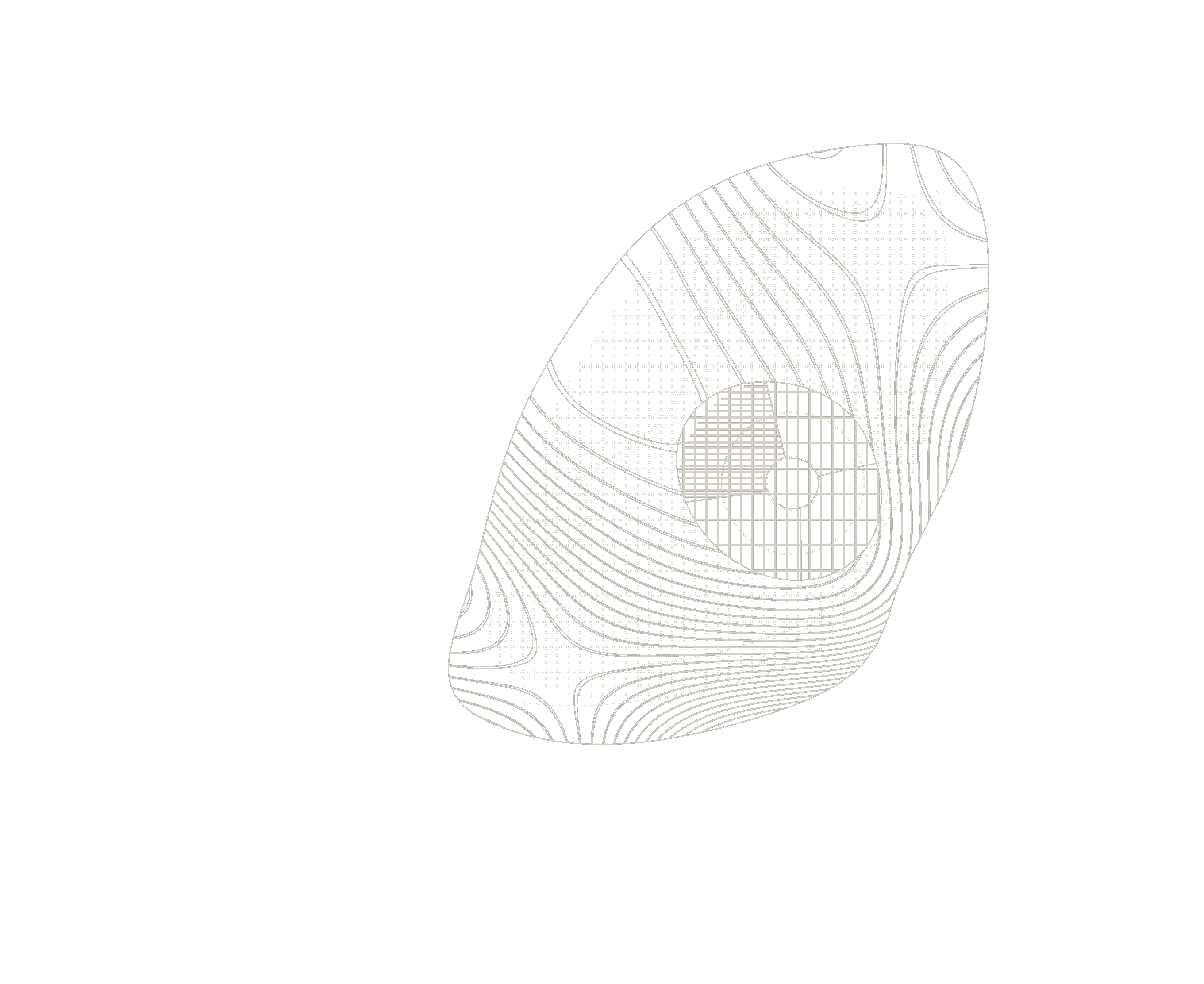
Waffle assembly

Two intersecting rib families lock into a continuous timber surface.

Plan geometry. The irregular outline records the environmental forces and paths that generated it.

Plan geometry

The irregular outline records the environmental forces and paths that generated it.
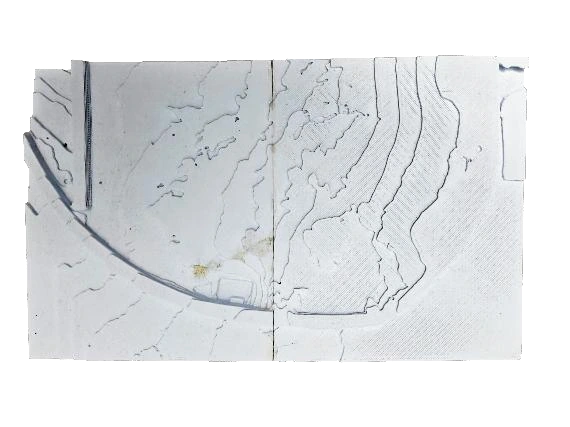
Contour model. A physical terrain study tests how the pavilion meets the slope rather than an abstract flat plane.

Contour model

A physical terrain study tests how the pavilion meets the slope rather than an abstract flat plane.

Selected work

Echoveil

A descending timber waffle canopy turns rain, shade, sound and movement into one continuous spatial sequence, entered high and gathered at a low central drip.

Year
2026
Location
Malta
Programme
Parametric pavilion + water landscape
Project stage
Academic design and fabrication proposal
Client / brief
Academic brief / public landscape
Scale / area
Small-scale public pavilion
Material register
CNC-cut marine plywood ribs, PVC-coated polyester membrane, thermo-treated pine decking, water basin, climate-adapted planting
Estimated cost
€120 to 180k / portfolio estimate
Estimated delivery
4 to 6 months / portfolio estimate
Comparable size
Approx. 70 m² / portfolio estimate
Design time
12 weeks / portfolio estimate
Difficulty
5 / 5
Role / authorship
Student designer / sole author

What is a pavilion?

A pavilion is architecture reduced to an encounter between body, structure and weather.

Unlike a conventional building, a pavilion does not need to seal every activity inside a complete enclosure. It can be a roof, a threshold or a temporary room. Its value lies in making a place more noticeable through shade, gathering, framed movement and contact with climate.

Parametric design does not mean that a computer invents the form. It means that relationships are described as adjustable rules. When one input changes, such as rib spacing, sheet thickness or roof curvature, the connected geometry responds as one coordinated system.

Applied hereEchoveil joins these two ideas. Environmental observations generate a descending surface, while a parametric definition converts that surface into a buildable timber waffle. Rainfall then completes the architecture by moving toward its lowest point.

Research source ↗

Read the full project note

Echoveil begins at the highest point of its site. From there, the roof falls with the ground and draws visitors inward until water, structure and movement meet at one low point. The pavilion is not treated as a sealed building. It is a climatic instrument that makes rain, filtered daylight, wind and sound more perceptible.

The form was generated through layered site analysis rather than imposed as a finished object. Sun paths, wind, ground levels, acoustics and pedestrian movement were mapped separately, then recombined as parameters. A Grasshopper definition translates the resulting surface into two intersecting families of CNC-ready marine plywood ribs. Changes to spacing, thickness or curvature remain connected across the whole system.

A thin weather membrane follows the waffle above. Rain moves toward the roof's lowest edge, drops into a calm basin and is released gradually to climate-adapted planting. Lavender, geranium, lemongrass and fountain grass extend the architecture through scent, movement and seasonal change. Structure and landscape therefore participate in one small water cycle.

Echoveil / SAPiano Portfolio